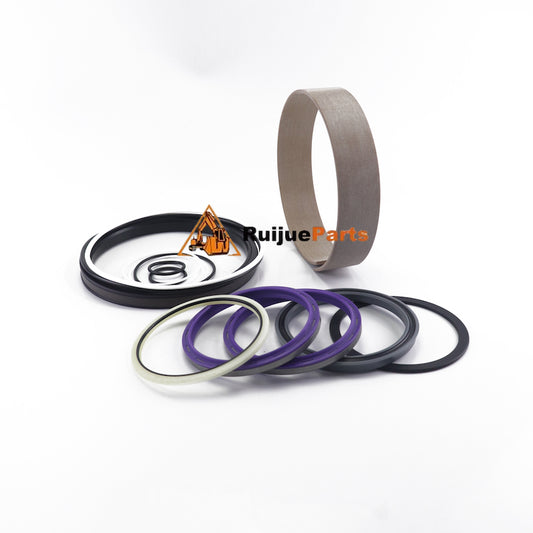
Heat Resistance of Construction Machinery Seals — How to Choose for Durable Operation
Seals in construction and heavy equipment—including hydraulic cylinders, joints, and engine applications—must withstand extreme temperatures to ensure long‑term stability and reliable operation. Understanding seal heat resistance, material properties, temperature tolerance, and correct product selection helps prevent premature failure, leakage, and costly downtime.
Why Heat Resistance Matters for Machinery Seals
Seals are constantly exposed to heat generated by:
-
High hydraulic pressure
-
Continuous operation
-
Friction within moving parts
-
Ambient operating environments
Inadequate heat resistance weakens seal materials, leading to rapid aging, hardening, deformation, and leaks. Proper material selection is essential to maintain hydraulic and mechanical performance in demanding conditions.
Key Seal Materials with Heat Resistance
1. Fluorocarbon (FKM/Viton®)
FKM rubber delivers excellent high‑temperature performance, chemical resistance, and thermal stability, making it ideal for engine seals and high‑pressure circuits.
Best for: High heat, chemical exposure, long service life.
2. Silicone Rubber
Offers a wide temperature range performance — from very low to high temperatures — without significant hardening or losing elasticity.
Best for: Extreme temperature cycles, insulation applications.
3. EPDM
While not as heat resistant as FKM, EPDM provides good temperature tolerance with outstanding weather, ozone, and aging resistance.
Best for: Outdoor application areas with temperature variability.
4. Nitrile (NBR/HNBR)
NBR offers balanced temperature performance with strong resistance to petroleum oils and hydraulic fluids. HNBR improves heat tolerance and mechanical endurance.
Best for: Hydraulic seals, oil contact components.
Heat Resistance vs. Seal Performance in Heavy Equipment
Temperature influences:
✔ Elasticity
✔ Compression set
✔ Wear resistance
✔ Sealing pressure stability
✔ Lifespan of seals
Seals in overheating conditions often harden, crack, or permanently deform, losing their sealing integrity. If you observe unexplained leaks or temperature anomalies in your hydraulic system, review your seal material’s heat specifications.
How to Choose Heat‑Resistant Seals
1. Match Operating Temperature Range
Verify the actual thermal conditions of your equipment (hydraulic oil temp, engine heat, and ambient heat) and choose material rated for that range.
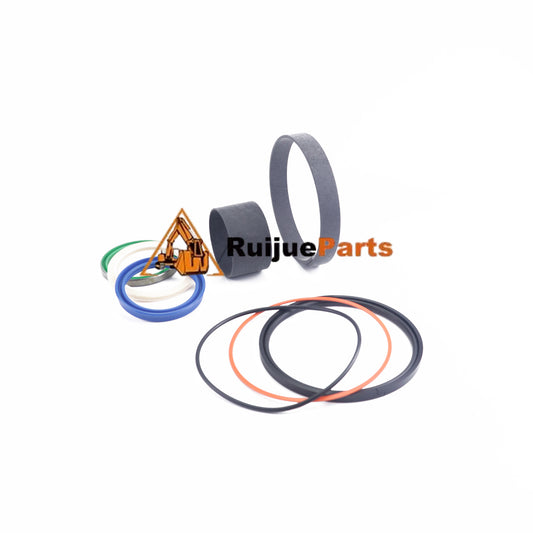
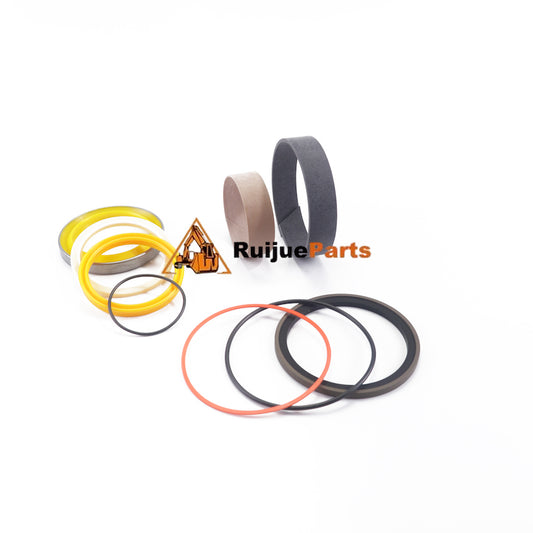
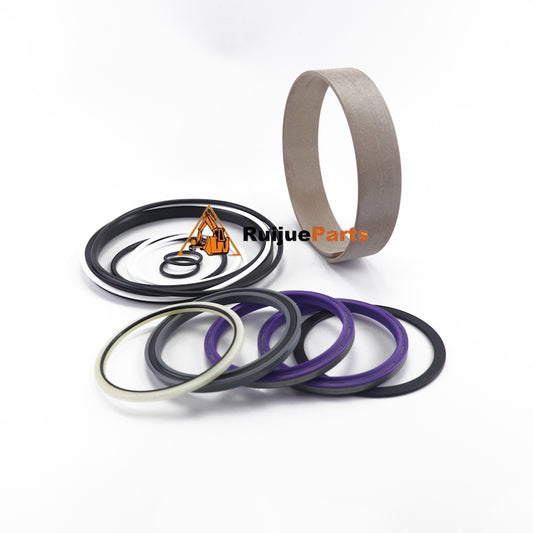
For hydraulic cylinders working under high temperatures, selecting the right Hydraulic Cylinder Seal Kits ensures thermal resilience and longer component life.
2. Consider Chemical & Fluid Compatibility
High temperatures often coincide with chemical exposure (fuel, lubricants). Choose materials compatible with the fluid environment to avoid accelerated aging.
3. Evaluate Application Load and Pressure
High thermal cycles plus high load/pressure requires combinations like FKM + PTFE composites for optimal performance.
Signs of Heat‑Related Seal Failure
-
Hardening and embrittlement
-
Surface cracking
-
Permanent set deformation
-
Leakage under load
-
Frequent replacement necessity
Early detection minimizes repair costs and equipment downtime.
FAQ – Heat Resistance in Machinery Seals
What temperature range should seal materials withstand?
Different materials have varying limits — FKM typically offers the highest heat tolerance, followed by silicone, EPDM, and then NBR/HNBR. Always consult material datasheets.
Can rubber seals withstand engine heat?
Yes — but only when the material specification matches or exceeds the engine’s operating temperature and fluid environment.
How does heat affect seal longevity?
High temperatures accelerate aging and embrittlement, reducing service life and increasing leak risk.