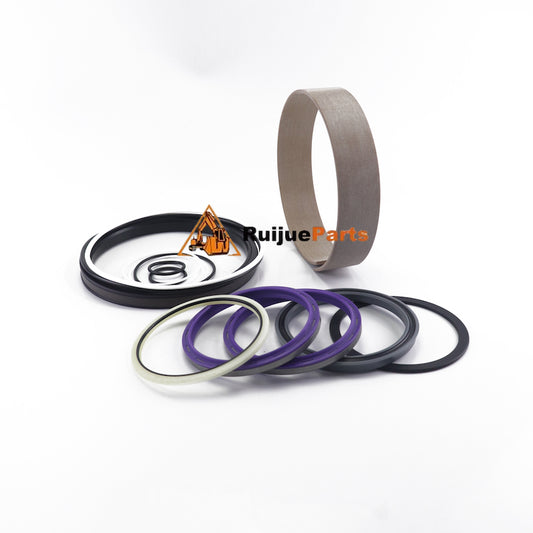
Center Joint Seal Kit Failures — Causes, Diagnosis & Prevention for Heavy Equipment
Center joint seal kits are critical for excavators, cranes, and other construction machinery. Proper maintenance and correct installation are essential to avoid oil leakage, premature wear, jamming, and aging of seals, which can lead to expensive downtime and equipment damage. This guide covers common failures, their main causes, and how to prevent them effectively.
I. Oil Leakage in Center Joint Seal Kits
Oil leakage is the most frequent failure and usually occurs at the upper and lower mating surfaces of the center joint. Leakage intensifies during slewing movements, and abnormal hydraulic oil consumption may be observed.
Main Causes of Oil Leakage
-
Aging, Hardening, or Deformation
Seal components deteriorate after long-term operation under high-temperature and high-pressure conditions. -
Improper Installation
Twisted or scratched seals, or using incompatible materials such as standard NBR in high-temperature environments, compromise sealing performance. -
Joint Housing Defects
Scratches, deformation, or abrasion on the joint housing affect sealing fit.
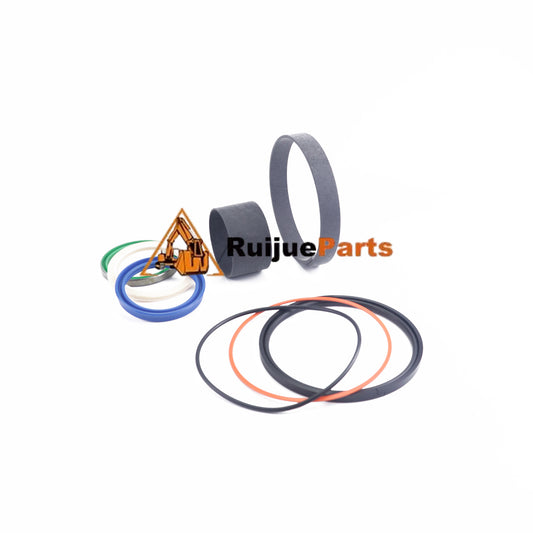
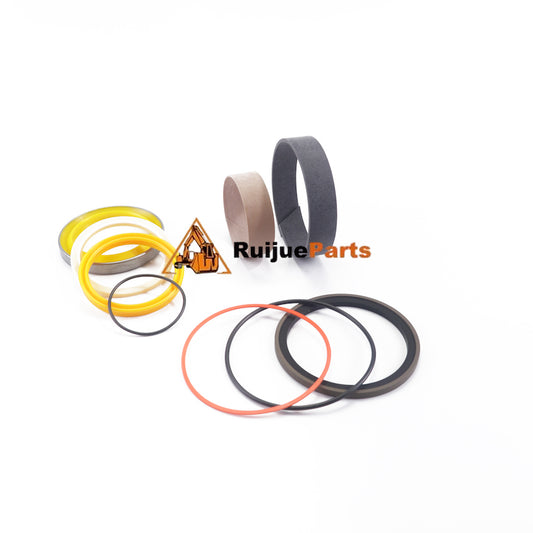
To ensure optimal sealing performance and prevent leakage, check out our Center Joint Seal Kits, designed for heavy machinery applications.”
II. Premature Wear of Seals
Premature wear is characterized by gaps, chips, and irregular scratches on the sealing surfaces after short-term use.
Main Causes of Premature Wear
-
Contaminants in Hydraulic Oil
Impurities act as abrasives, damaging seals at the interface. -
Wear of Internal Components
Bushings and bearings create uneven stress distribution, accelerating local seal wear. -
Improper Cleaning During Assembly
Metal debris, sediment, and foreign matter in grooves can cause abnormal wear.
Proper seal handling and storage, as detailed in our Seal Storage & Shelf Life Guide, can minimize premature wear.
III. Increased Slewing Resistance or Jamming
Jamming manifests as sluggish slewing movements, abnormal noises, or pressure spikes in the hydraulic system.
Main Causes of Slewing Resistance
-
Excessive Interference or Seal Deformation
Leads to higher friction during slewing. -
Dust Seal Failure
External sediment invades the joint, causing internal jamming. -
Overly Hard Seal Materials
Inelastic materials increase friction, reducing operational smoothness.
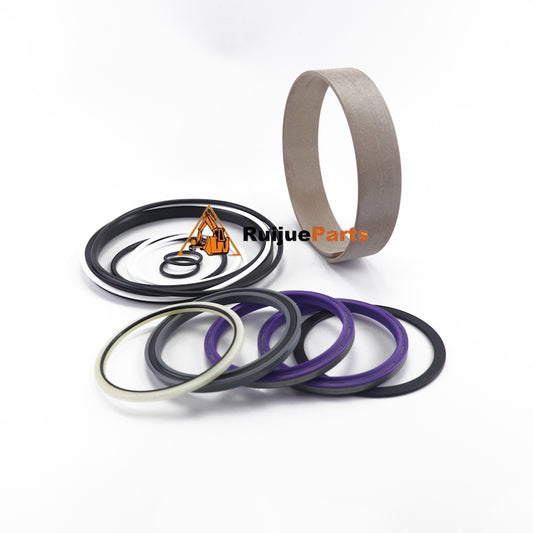
For smooth slewing performance, explore our Excavator Seal Kits, engineered for optimal friction management.
IV. Aging and Cracking of Seals
Aged seals exhibit cracks, hardening, embrittlement, and loss of elasticity, preventing a tight seal.
Main Causes of Aging and Cracking
-
Environmental Exposure
Prolonged exposure to high temperatures, UV radiation, or corrosive media accelerates aging. -
Hydraulic Oil Deterioration
Acidic by-products can corrode the seal material. -
Overused Seals
Failure to replace seals past their service life leads to cracks and embrittlement.
FAQ – Center Joint Seal Kits
What are the most common failures of center joint seal kits?
Oil leakage, premature wear, jamming during slewing, and aging/cracking of seals are the most frequent issues.
How can oil leakage be prevented?
Ensure proper installation, select compatible seal materials, and inspect joint housings for defects.
How often should center joint seals be replaced?
Replace seals according to the manufacturer's service intervals or immediately if signs of wear, cracking, or leakage are observed.
Can aftermarket seals be reliable?
Yes — high-quality aftermarket seals from trusted suppliers provide performance comparable to OEM parts.
Recommended Preventive Measures
-
Use high-quality rubber compounds compatible with operating temperature and pressure.
-
Follow proper installation procedures to avoid twisting, scratching, or misalignment.
-
Regularly inspect joints for debris, wear, or damage.
-
Maintain hydraulic fluid cleanliness and change it per manufacturer guidelines.
-
Replace seals promptly when reaching their service life limits.